Which Decking Material Is Right for a Vermont Deck
Six surfaces, what each one actually costs you in maintenance, and how each handles a Vermont winter. We're not tied to a product line, so there's no thumb on the scale here.

The short answer
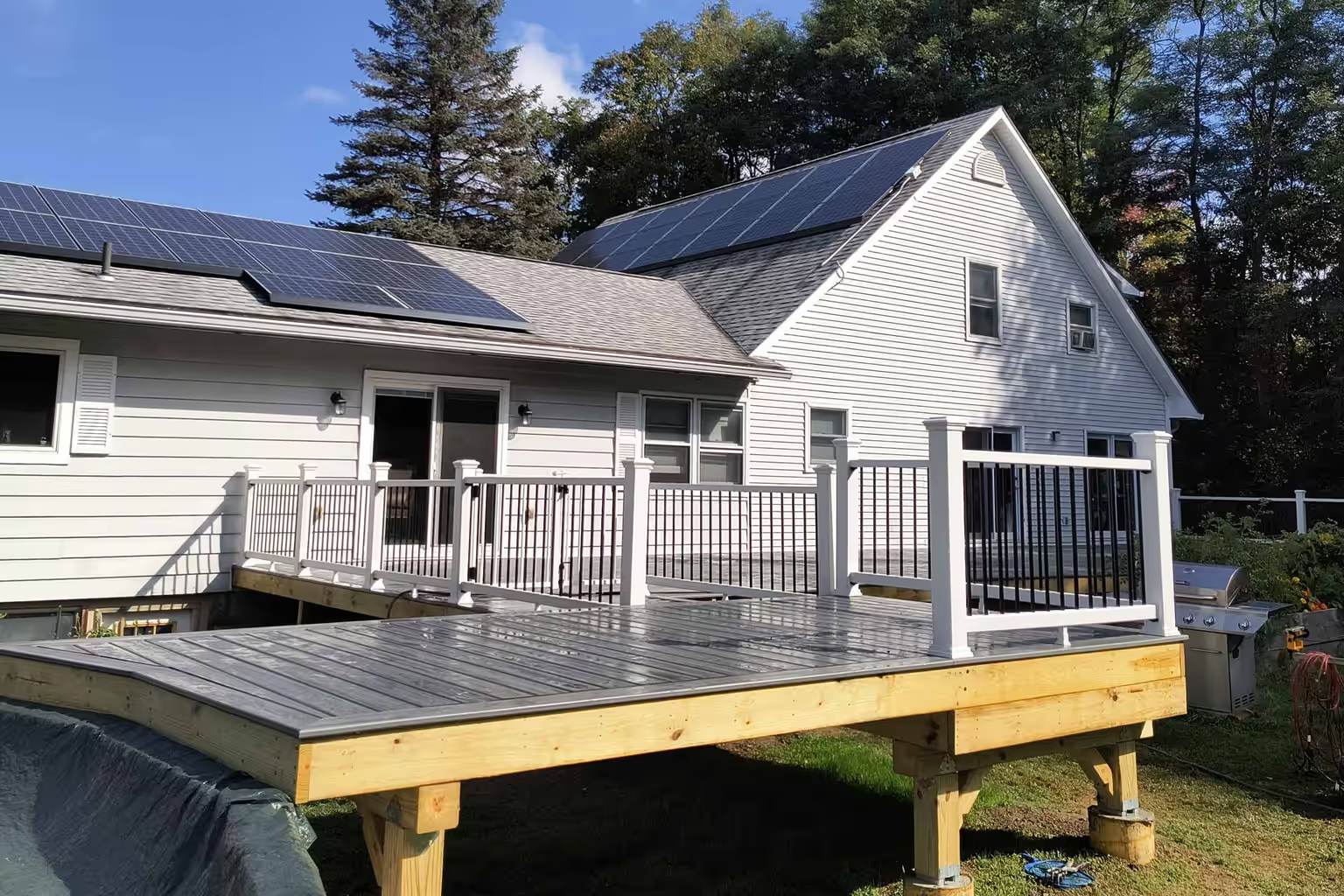
Most Vermont decks come down to three options. Pressure-treated pine if budget leads. Cedar if you want real wood underfoot. Capped composite if you would rather never sand a board again. PVC and exotic hardwood are the specialist picks at either end of the price range, and both are the right answer often enough to be worth knowing about.
What follows is the detail behind that, including the part most comparison articles skip: what a freeze-thaw winter actually does to each surface.
All six materials compared
Cost is relative to pressure-treated, which sets the baseline at one dollar sign. Lifespans assume the maintenance in the column beside them actually happens.
| Material | Up-front cost | Maintenance | Life in Vermont | Best for |
|---|---|---|---|---|
| Pressure-Treated Pine | $ | Clean and seal every 2 to 3 years | 15 to 20 years | Tight budgets, and all framing |
| Cedar and Redwood | $$ | Oil once a year | 15 to 20 years | Bare feet, shaded decks |
| Uncapped Composite | $$ | Wash each season, can still stain | 10 to 15 years | Composite look on a budget |
| Capped Composite | $$$ | Wash each season | 25 to 30 years | Most low-maintenance decks |
| Capped Polymer and PVC | $$$$ | Wash each season | 25 to 30 years | Poolside, shaded, ground-level |
| Exotic Hardwoods | $$$$ | Oil yearly, or let it silver | 40 years plus | The longest life available |
Each option in detail
The photographs below are the actual boards, not renderings. Grain, knot pattern and surface texture are most of what people react to when they see samples in person.
Pressure-Treated Pine
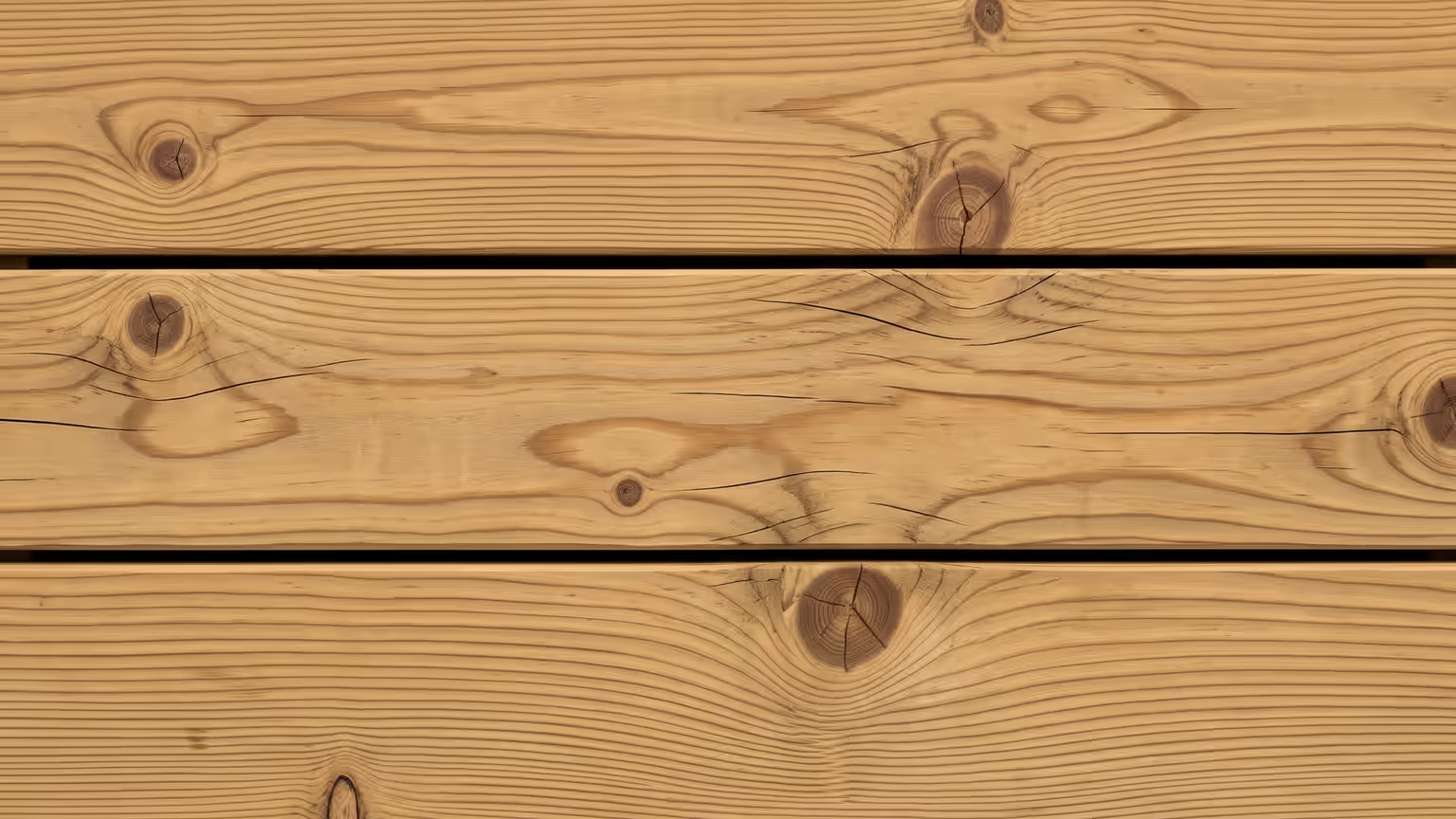
It's the default for a reason. Treated pine is the cheapest surface you can walk on and it's what we frame every deck with regardless of what goes on top, so choosing it for the boards as well simply means one material instead of two. The catch is that it's a maintenance commitment rather than a purchase. Left alone it checks, grays and cups. Cleaned and sealed on a two or three year cycle it stays flat and holds color for two decades.
Cedar and Redwood
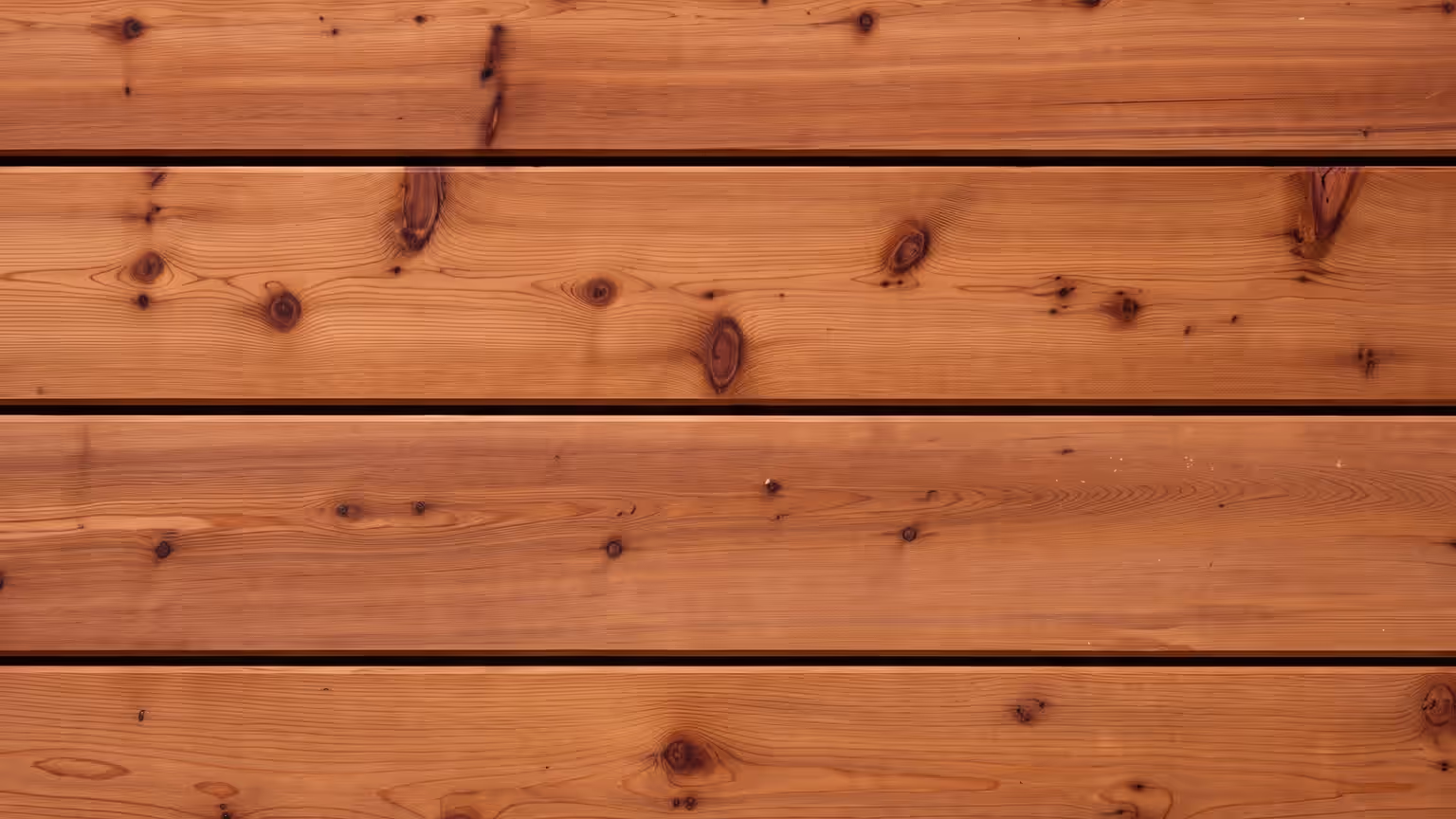
Cedar is the choice when the deck is somewhere people sit barefoot. It resists rot and insects through its own oils rather than through chemical treatment, it stays noticeably cooler than composite in direct sun, and it's softer underfoot. That softness is also the tradeoff: it dents under dragged furniture, and it wants an oil coat every year or it fades to gray within two seasons.
Uncapped Composite
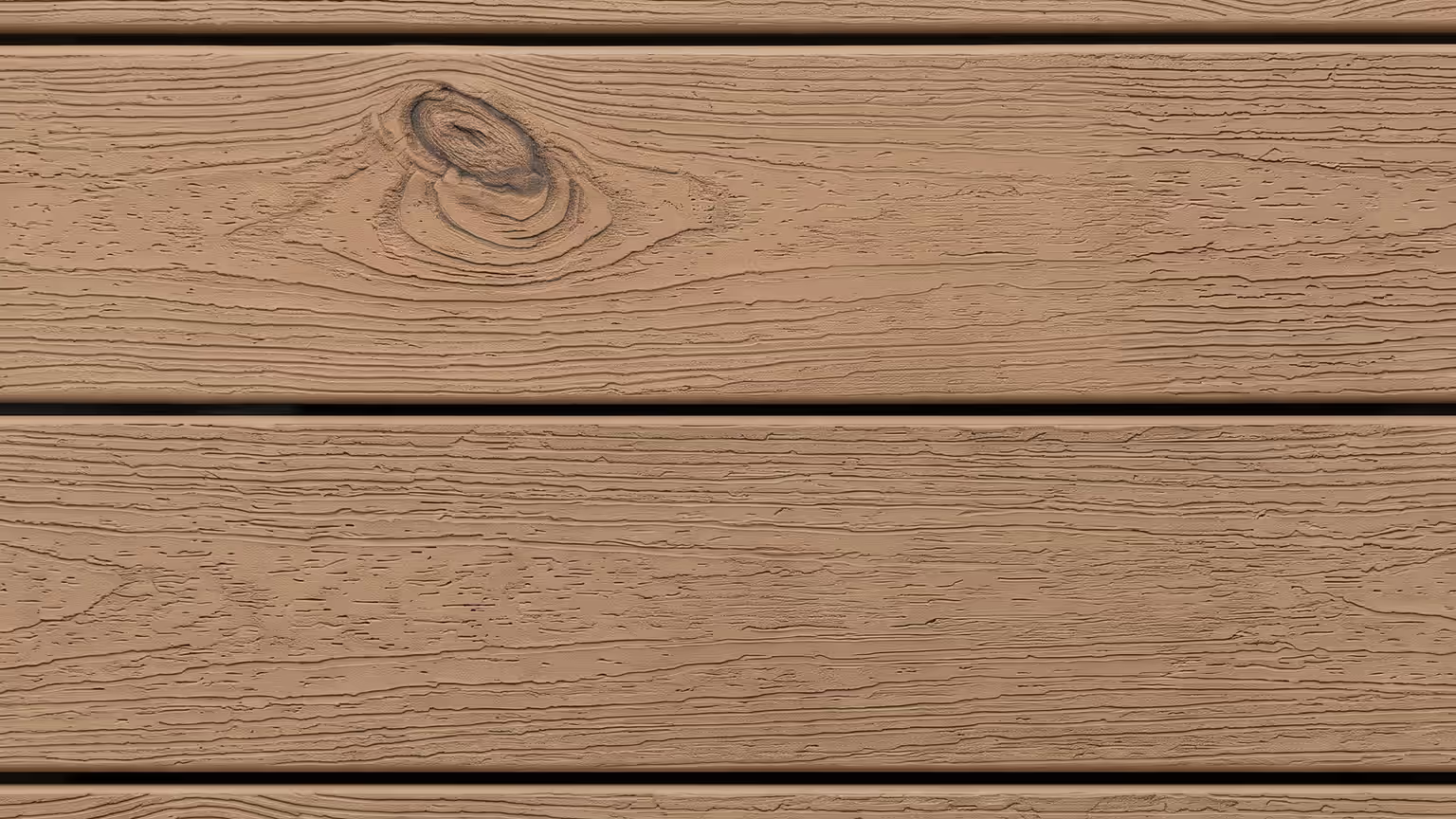
This is the entry point into composite and it's worth understanding what you give up. The wood fiber in the core sits exposed at the surface, so an uncapped board can still stain from a spilled drink and still grow mildew on a deck that never sees sun. It costs less than capped and it lasts less. On a shaded Vermont deck we would rather put the money into capped and be done.
Capped Composite
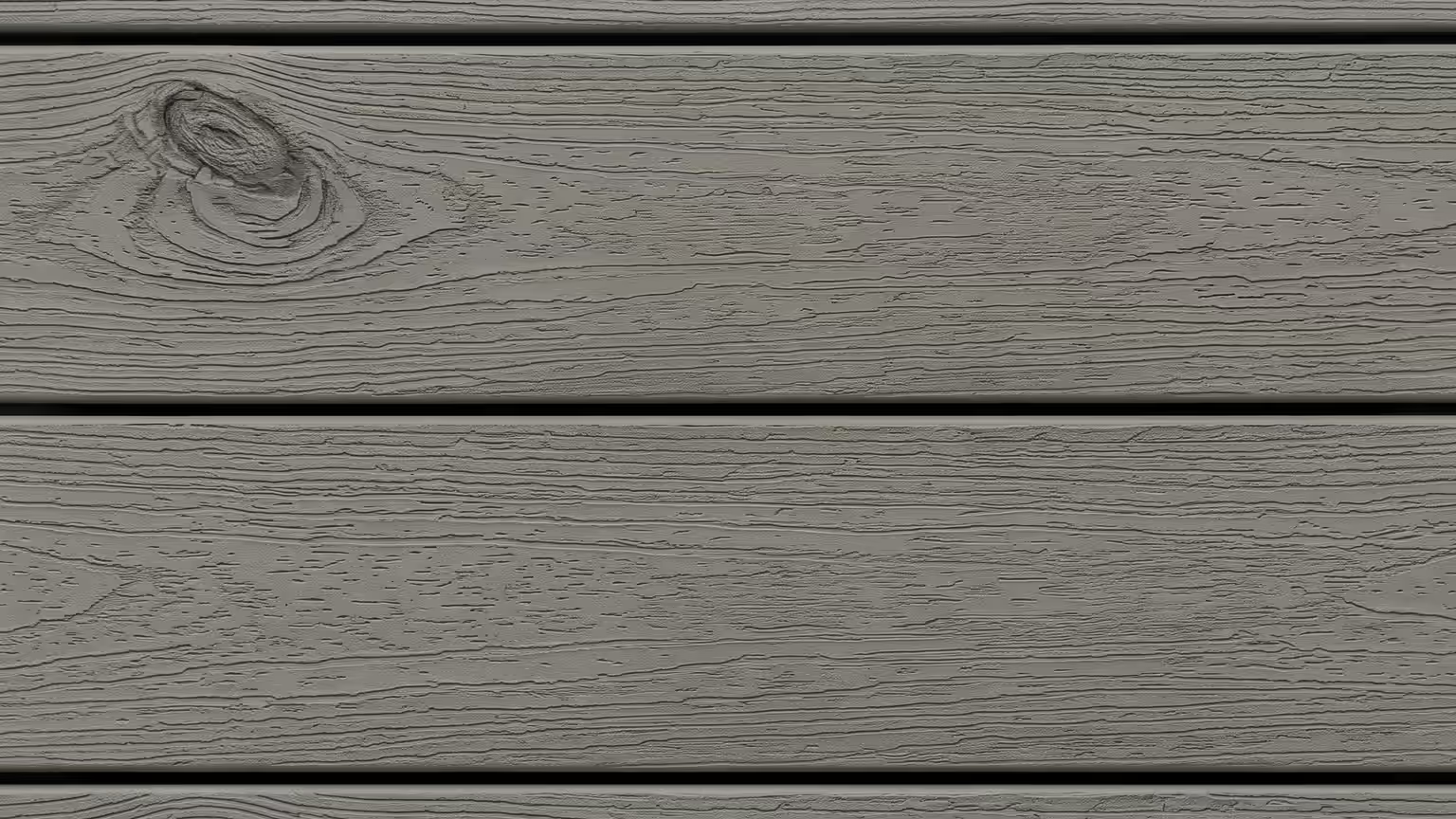
The usual answer for someone who never wants to sand a board again. A wood and polymer core is sealed under a polymer shell on three or four sides, which is what stops the staining and mildew that catches out uncapped boards. Wash it once a season and that's genuinely the whole job. Modern capped boards read as wood from a few feet away, which is where the older generation of composite fell down.
Capped Polymer and PVC
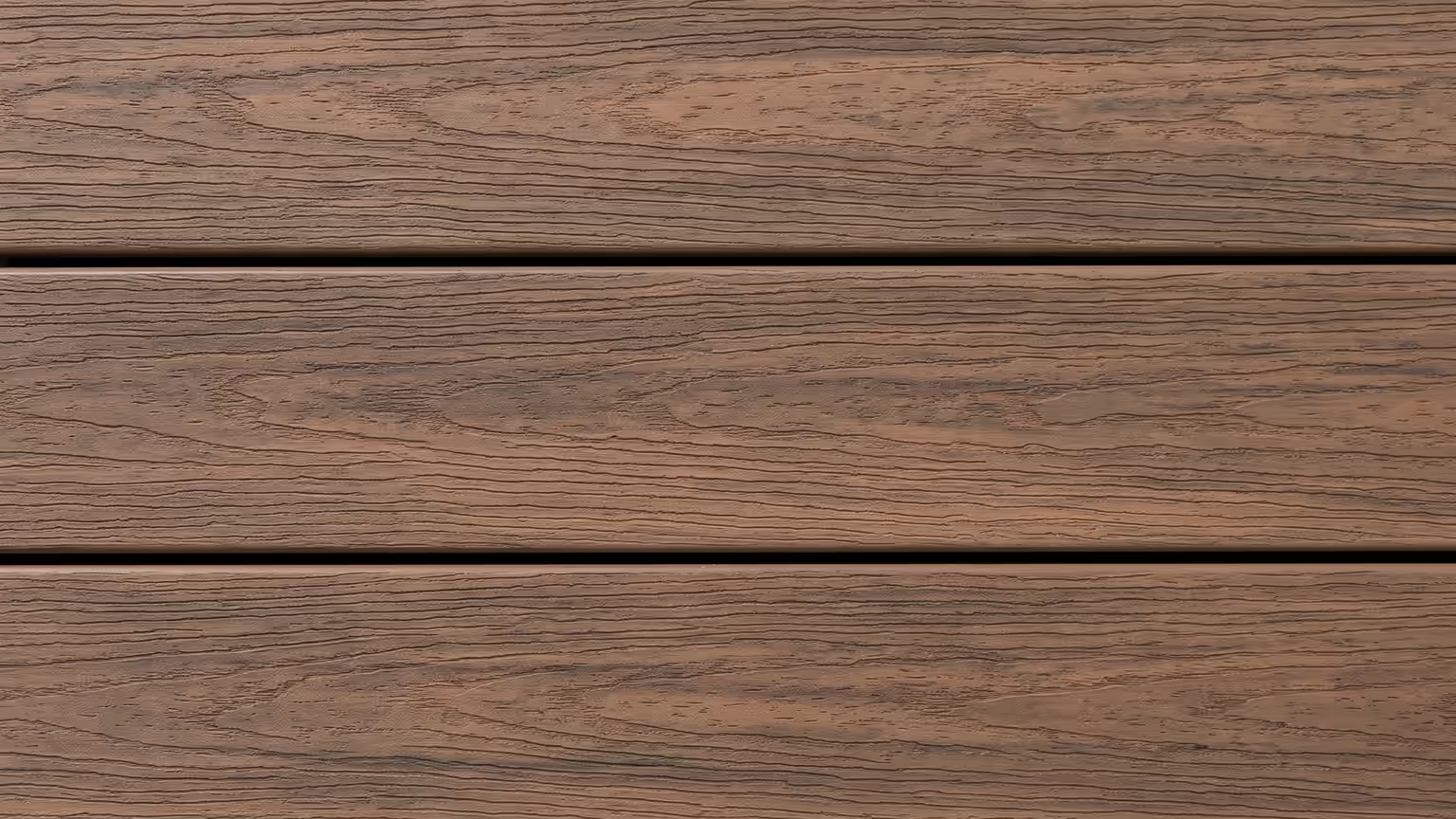
Fully synthetic, with no wood anywhere in the core, so it absorbs nothing at all. That matters in exactly three situations: poolside decks, decks in permanent shade, and ground-level decks where water never fully drains away from underneath. In any of those we'll recommend PVC over composite and explain why. On a raised, sunny deck the extra cost over capped composite is harder to justify.
Exotic Hardwoods
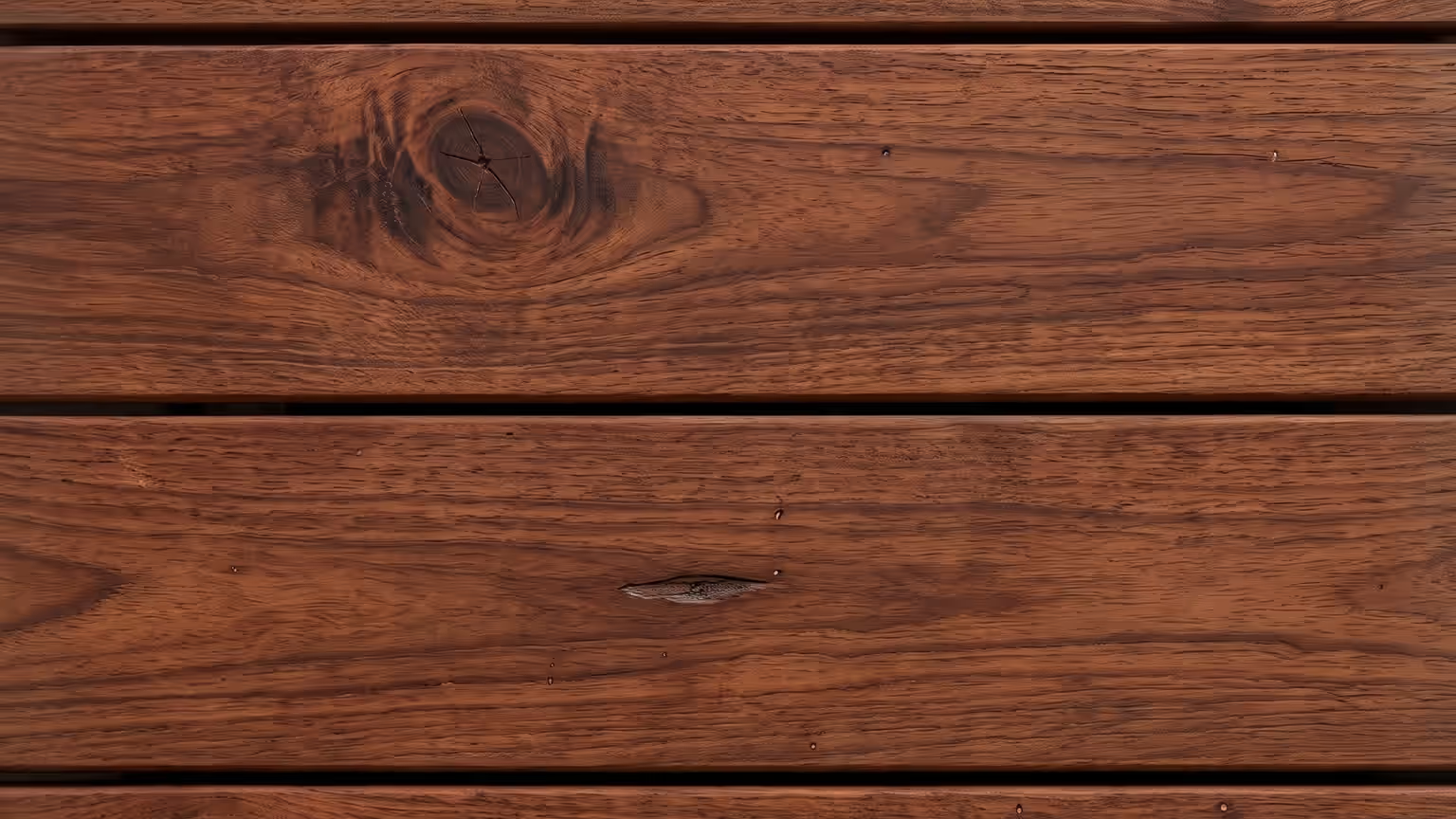
Ipe, mahogany and the other dense tropical species are what you build when the deck has to outlast the house around it. They're hard enough that every single screw needs pre-drilling, which is most of why installation costs what it does. Left unoiled they weather to a silver gray that plenty of people prefer. Oiled annually they stay the deep red-brown they arrive as.
Pick by what you care about most
Nobody weighs all six evenly. In practice one priority decides it and everything else falls in behind. Find yours here.
- Lowest cost to get built. Pressure-treated pine, and it isn't close.
- Least work over the years. Capped composite or PVC. This is why most of our deck staining clients switch material when they eventually rebuild.
- Bare feet and shaded seating. Cedar. Cooler in sun, soft underfoot, and no chemical treatment.
- Longest possible life. Exotic hardwood. It will outlast the house frame around it.
- Selling within a few years. Pressure-treated, cleaned and sealed before listing. Buyers rarely pay back the composite premium.
What a Vermont winter does to decking
Freeze-thaw is the whole story here. Water gets into a board, freezes, expands, and does it again the next night. Over one winter that's dozens of cycles, and it's what opens the checking you see on old treated pine. Sealed wood shrugs it off. Bare wood does not.
Snow load matters more than material choice, and it's a framing and footing question rather than a decking one. It's covered in the six stages of a custom deck build. Where the surface material does matter is shovelling: use a plastic blade and push along the boards rather than across them, whatever they're made of.
The failure we get called out to most isn't the decking at all. It's the ledger where the deck meets the house, rotting quietly under trapped snow because it was never flashed.
That's a deck repair conversation, and the material on top makes no difference to it. If you're choosing boards for a deck that's more than fifteen years old, get someone underneath it first.
Questions we get asked most
How long does each decking material last in Vermont?
Pressure-treated pine gives you 15 to 20 years if it's cleaned and sealed on schedule, and closer to 10 if it's left alone. Cedar runs 15 to 20 with an annual oil. Capped composite and PVC are the 25 to 30 year options and most carry a warranty in that range. Exotic hardwood outlasts all of them and will go 40 years, which is longer than most people stay in the house.
Does composite decking get too hot to walk on?
It gets hotter than wood, and dark boards get hotter than light ones. On a south-facing Vermont deck in July that's a real consideration for bare feet and for dogs. Choosing a lighter shade solves most of it, and a deck that sits in afternoon shade makes the question mostly academic.
What does ice melt do to a deck?
Rock salt is hard on wood fiber and hard on the fasteners underneath. Calcium chloride is gentler. On composite and PVC most manufacturers allow ice melt without voiding the warranty, but check the specific product first. Whatever the surface, shovel with a plastic blade and push along the boards rather than across them.
Is composite decking worth the extra cost up front?
It depends entirely on how long you're staying. Composite runs roughly two to three times the material cost of pressure-treated. Over 25 years it usually wins, because you aren't buying stain and giving up weekends. Over 8 years it usually does not. If you're planning to sell inside a decade, treated pine kept clean is the better financial call.